
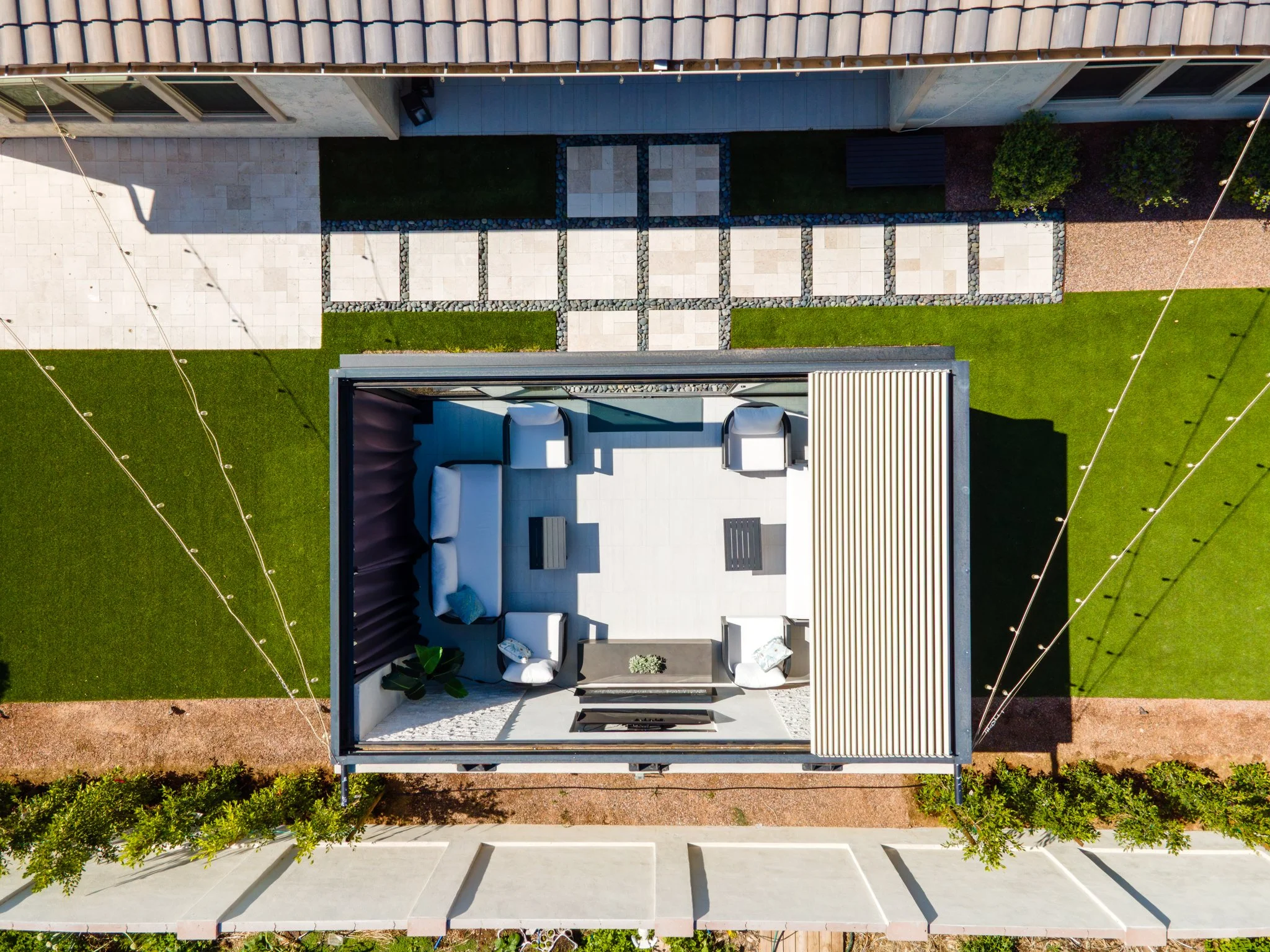
Adaptive Outdoor Architecture
Outdoor Environments Change.
Architecture Must Be Ready to Respond.
Outdoor environments experience changing weather, sunlight, occupancy, programming, and expectations throughout the day, across the seasons, and over the life of a property. Adaptive Outdoor Architecture is the discipline responsible for helping important outdoor environments respond intentionally to those changing realities.
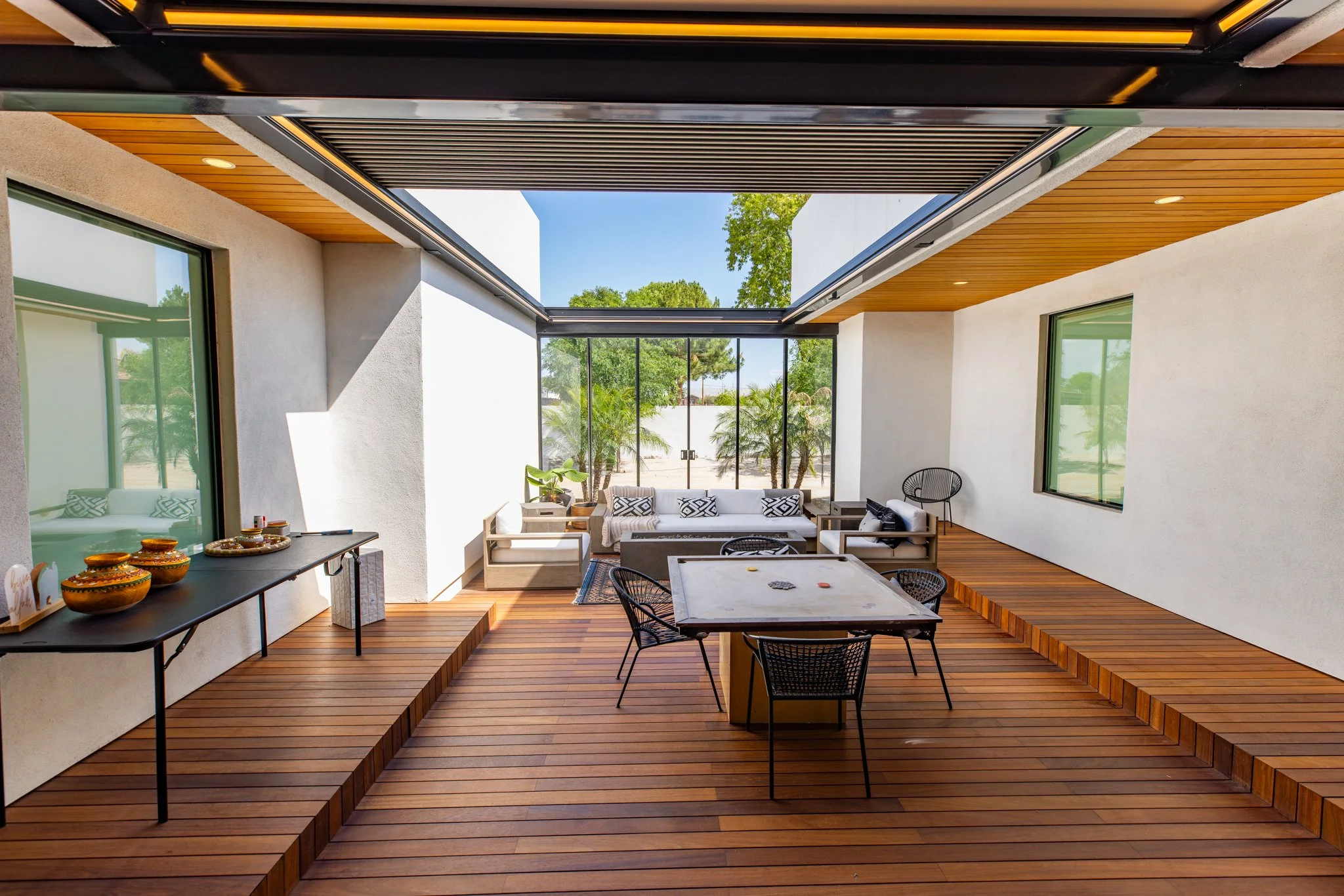
An Architectural Observation
No Outdoor Environment Stays the Same for Long.
Unlike interior spaces, outdoor environments are constantly changing. Light shifts. Temperatures rise and fall. Wind comes and goes. Activities evolve throughout the day. Even the role a space plays can change from one hour to the next. Yet guests continue to expect a welcoming, comfortable, and memorable experience regardless of those changing conditions.
A successful outdoor environment must support more than one ideal moment.
Environment
Sun becomes shade. Calm becomes wind. Summer becomes winter. The physical environment is never static, requiring the space to respond to changing conditions throughout the day and across the seasons.
Experience
The same terrace may host a quiet morning coffee, a business lunch, an afternoon gathering, and an evening celebration. Every experience places different demands on the environment.
Operations
Service patterns, staffing, maintenance, events, and occupancy continually influence how a space must function. Outdoor environments are expected to accommodate far more than a single daily routine.
Expectations
Guests, residents, members, visitors, operators, and owners all experience the same place differently. Each arrives with expectations that evolve as conditions and activities change.
Outdoor environments are unlike almost any other part of a property. They are expected to remain inviting, functional, and memorable despite continual change. Understanding that reality is the first step toward understanding why they require a different architectural approach.
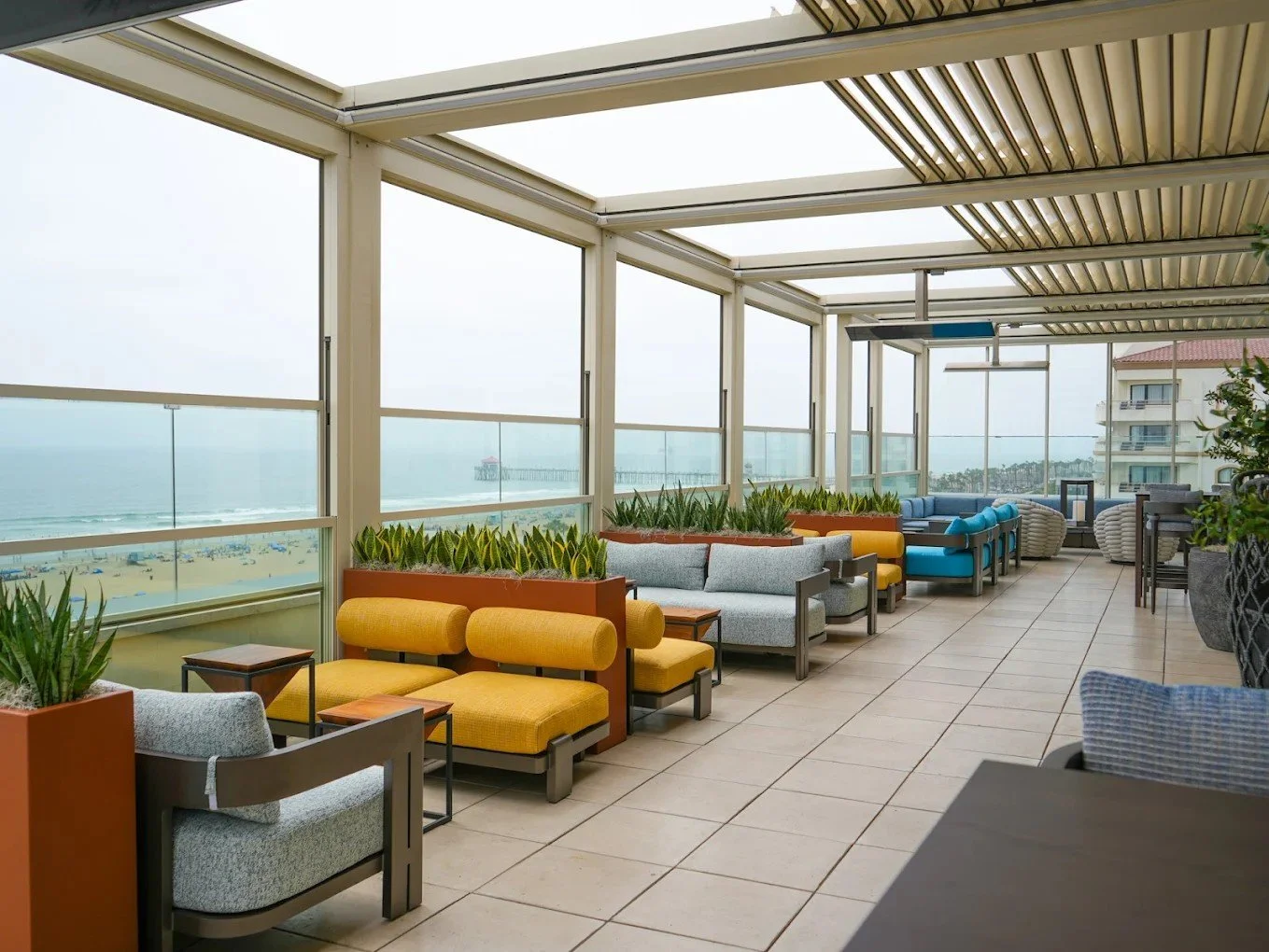
An Architectural Reality
Most Architecture Is Designed Around Fixed Conditions.
Traditional architecture has long been shaped around environments that remain relatively stable. Walls define permanent boundaries. Roofs provide continuous shelter. Interior spaces are intentionally designed to create predictable conditions that support a consistent experience day after day.
Outdoor environments rarely provide that level of predictability.
Conventional Architecture
- Designed around stable environments
- Defined by fixed boundaries
- Supports predictable conditions
- Assumes consistent occupancy
- Maintains permanent spatial relationships
Outdoor Environments
- Respond to constantly changing conditions
- Support multiple ways of using the same space
- Experience shifting occupancy throughout the day
- Accommodate changing activities and programming
- Evolve with changing expectations over time
Conventional architecture excels at creating stable environments. Outdoor environments present a different architectural challenge—one where changing conditions, changing uses, and changing expectations continually reshape how a space is experienced. Yet responsibility for coordinating that complete experience has rarely belonged to a single discipline.
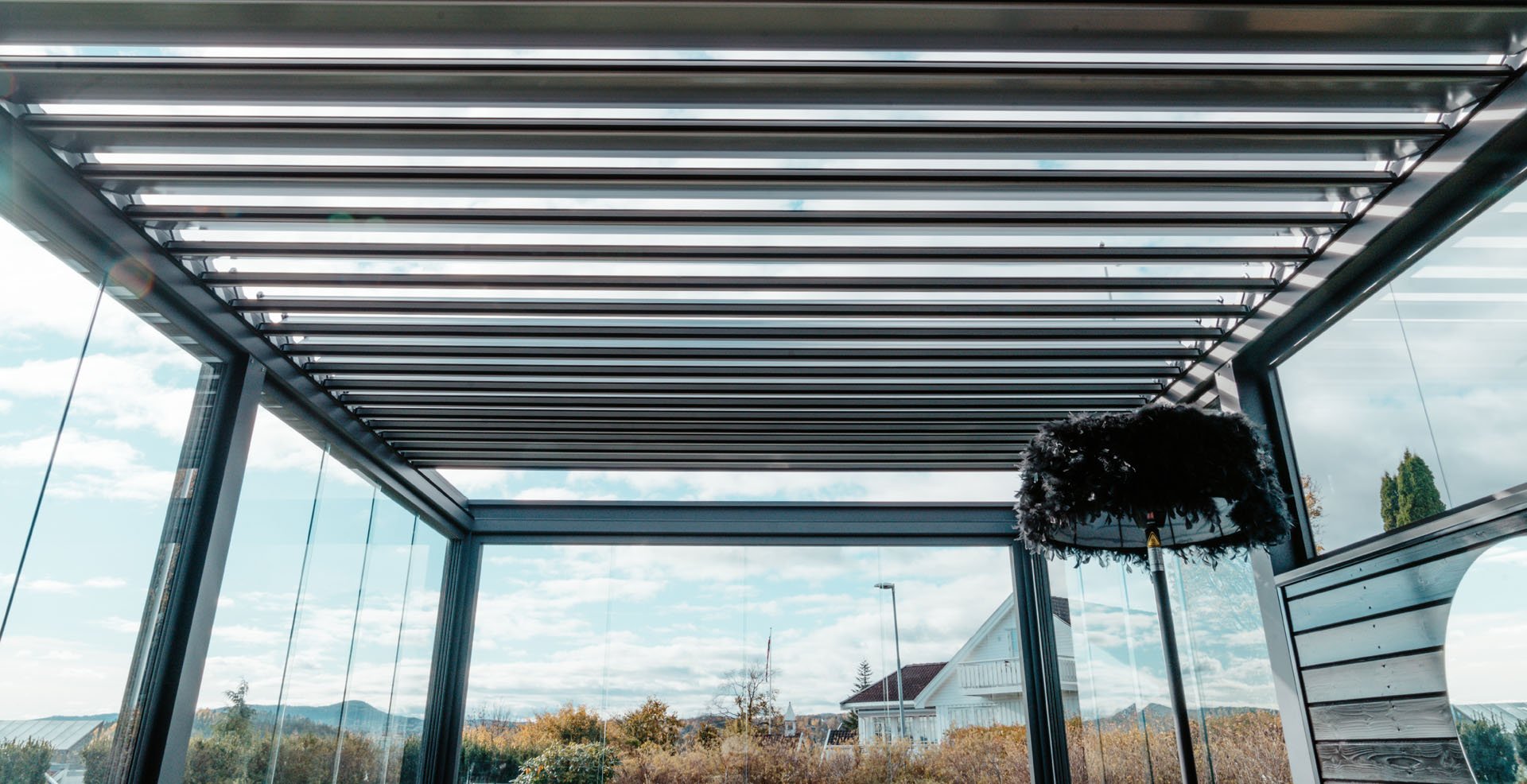
Retractable roof system in motion showing smooth automated panel opening and adaptive daylight control.
A Professional Observation
Who Is Responsible for the Whole Outdoor Experience?
Successful outdoor environments are rarely created by one profession alone. Architects, landscape architects, interior designers, engineers, operators, ownership groups, and specialty consultants each contribute valuable expertise. Together, they shape spaces that are beautiful, functional, and enduring.
Many professionals shape the space.
Few are responsible for how the entire environment performs.
Architecture
Defines the building, its form, and its relationship to the surrounding environment.
Landscape Architecture
Shapes the site, circulation, planting, and the character of the outdoor setting.
Interior Design
Influences adjacent guest experience, atmosphere, and the transition between inside and outside.
Engineering
Ensures structural integrity, safety, and technical performance.
Operations & Ownership
Define service expectations, programming, maintenance, and long-term business objectives.
But who coordinates...
The challenge has never been a lack of talented professionals. It has been the absence of a clearly defined responsibility for coordinating how important outdoor environments adapt, function, and perform as complete places.
The Missing Discipline
That Responsibility Has a Name.
The need is not for another product category or another isolated specialty. It is for a discipline that accepts responsibility for how important outdoor environments adapt, function, and perform over time.
Adaptive Outdoor Architecture is the discipline responsible for helping important outdoor environments respond intentionally to changing conditions, changing uses, and changing expectations over time.
Understand
Every property has unique goals, users, operating patterns, and environmental conditions. The discipline begins by understanding how the space is intended to serve people before considering how it should respond.
Coordinate
Architecture, operations, guest experience, environmental response, and long-term ownership objectives are considered together rather than as independent decisions.
Adapt
Outdoor environments should be capable of responding to changing conditions while preserving the architectural character, openness, and identity that make them memorable.
Perform
Success is measured by how consistently the environment supports comfort, gathering, flexibility, usability, and the long-term role the space plays within the property.
Adaptive Outdoor Architecture does not replace traditional architecture. It extends architectural responsibility into outdoor environments where changing conditions and evolving expectations have become part of the design challenge.
“After the first week of dining service in the new space, we can say it clearly exceeds our expectations.”
A Different Starting Point
Every Decision Begins With Purpose.
Adaptive Outdoor Architecture does not begin by selecting products or technologies. It begins by understanding the people a property serves, the experiences it hopes to create, and the role each outdoor environment is expected to play.
Technology should support the experience. It should never define it.
Understand
Who uses the space? How do they gather? What experiences should the environment support throughout the day, across the seasons, and over the life of the property?
Define
Clarify the purpose of the environment before discussing solutions. Every important outdoor space should have a clearly understood role within the property.
Evaluate
Identify what limits the environment today. Environmental conditions, operational constraints, changing expectations, and evolving uses all influence long-term performance.
Respond
Only after the purpose is understood should architectural strategies and adaptive responses be considered. Every recommendation should support the experience the property intends to create.
This approach keeps every architectural decision grounded in purpose rather than preference. Adaptive responses are selected because they strengthen the environment people experience—not simply because they introduce new technology.
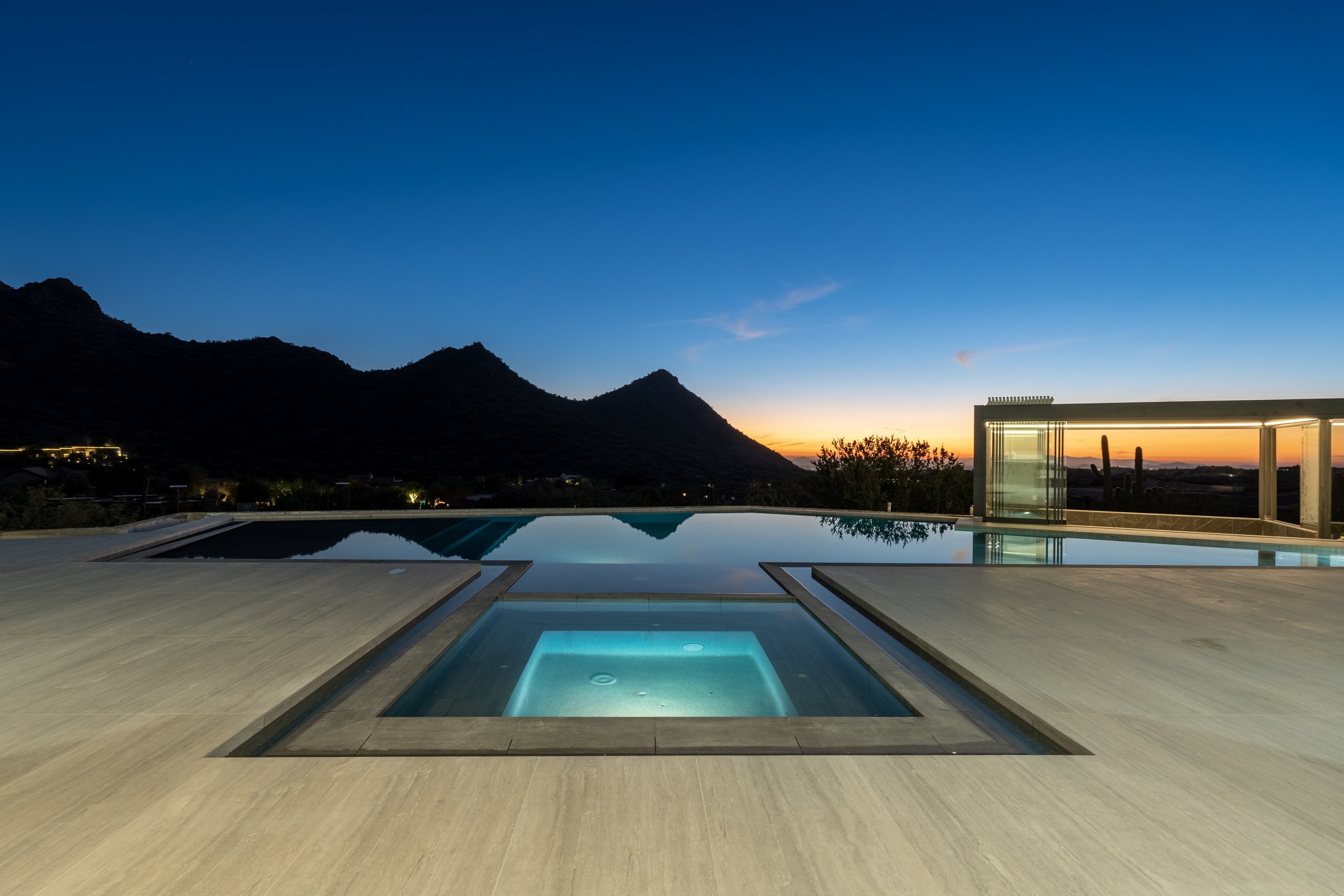
An Integrated Responsibility
A Discipline That Coordinates the Whole Environment.
Outdoor environments succeed when architecture, experience, operations, and environmental response work together toward a common purpose. Adaptive Outdoor Architecture brings these traditionally separate considerations into a single architectural strategy.
Great outdoor environments are not created by one decision.
They emerge when many decisions work together.
Experience
Every environment should support how people gather, interact, celebrate, relax, dine, and connect. Experience remains the measure of success throughout the design process.
Architecture
The physical environment establishes character, scale, circulation, views, and the lasting identity of the space. Adaptive responses should strengthen the architecture—not compete with it.
Operations
Staffing, service, maintenance, programming, occupancy, and flexibility all influence how effectively an outdoor environment performs throughout the life of a property.
Environmental Response
Changing sunlight, weather, temperature, wind, openness, and comfort are considered together so the environment can respond intentionally without compromising the experience.
Adaptive Outdoor Architecture does not treat these as independent design decisions. It coordinates them into a unified architectural strategy that allows important outdoor environments to perform more consistently as conditions, uses, and expectations evolve.
The Purpose of the Discipline
Performance Is the Purpose of Adaptability.
Adaptability is not an objective in itself. Architecture should never change simply because it can. Every adaptive response should exist to improve how an outdoor environment serves people, supports operations, and fulfills the long-term purpose of the property.
Adaptability is not the goal.
Better performance is.
Support Experience
Create environments that remain welcoming, comfortable, and memorable across changing conditions and changing moments.
Support Operations
Help staff, programming, events, maintenance, and daily use function more consistently throughout the life of the property.
Support Architecture
Preserve the openness, character, views, and architectural identity that make important outdoor environments distinctive.
Support the Property
Allow important outdoor environments to continue fulfilling their role as expectations, conditions, and business objectives evolve over time.
Adaptive Outdoor Architecture is ultimately measured by the quality and consistency of the environments it helps create—not by the systems it incorporates. The discipline succeeds when people experience outdoor places that continue performing beautifully under more of the conditions life brings to them.
Where the Discipline Matters Most
Its Greatest Responsibility Is Outdoor Signature Spaces.
Not every outdoor environment carries the same responsibility. Some become the places people remember, where communities gather, where first impressions are formed, and where the identity of a property is experienced most clearly. These are Outdoor Signature Spaces.
The greater the responsibility of the space, the greater the responsibility of the architecture.
Experience
Outdoor Signature Spaces shape how people experience and remember a property. They become settings for arrival, gathering, celebration, relaxation, dining, and connection.
Identity
These environments often become the visual representation of a property through photography, marketing, social media, events, and the stories people continue to share.
Operations
Signature Spaces frequently support multiple dayparts, changing activities, special events, and evolving operational demands throughout the year.
Long-Term Value
Because these environments influence experience, identity, operations, and property performance simultaneously, thoughtful architectural stewardship becomes increasingly important over time.
Adaptive Outdoor Architecture exists wherever important outdoor environments deserve intentional stewardship. Its greatest responsibility is helping Outdoor Signature Spaces continue serving the people, experiences, and properties that depend upon them.
Explore Outdoor Signature Spaces