
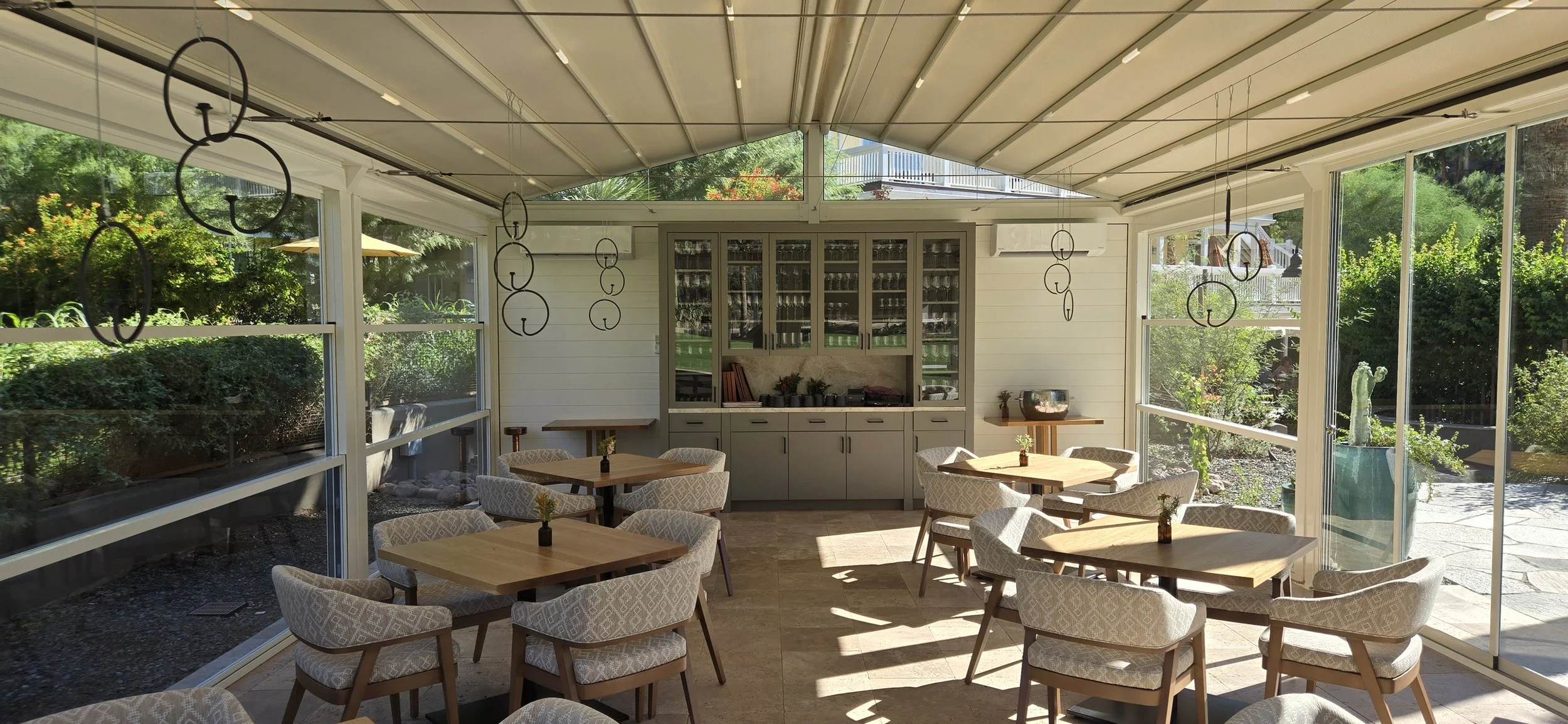
Representative Experience
Experience Across Outdoor Environments.
bY couTure brings design, adaptive architecture, and supply experience to outdoor spaces shaped by different properties, uses, and operating demands.
Representative Markets
Experience Across Different Settings.
Our work applies across outdoor environments where gathering, experience, operations, and property performance matter.
Hospitality
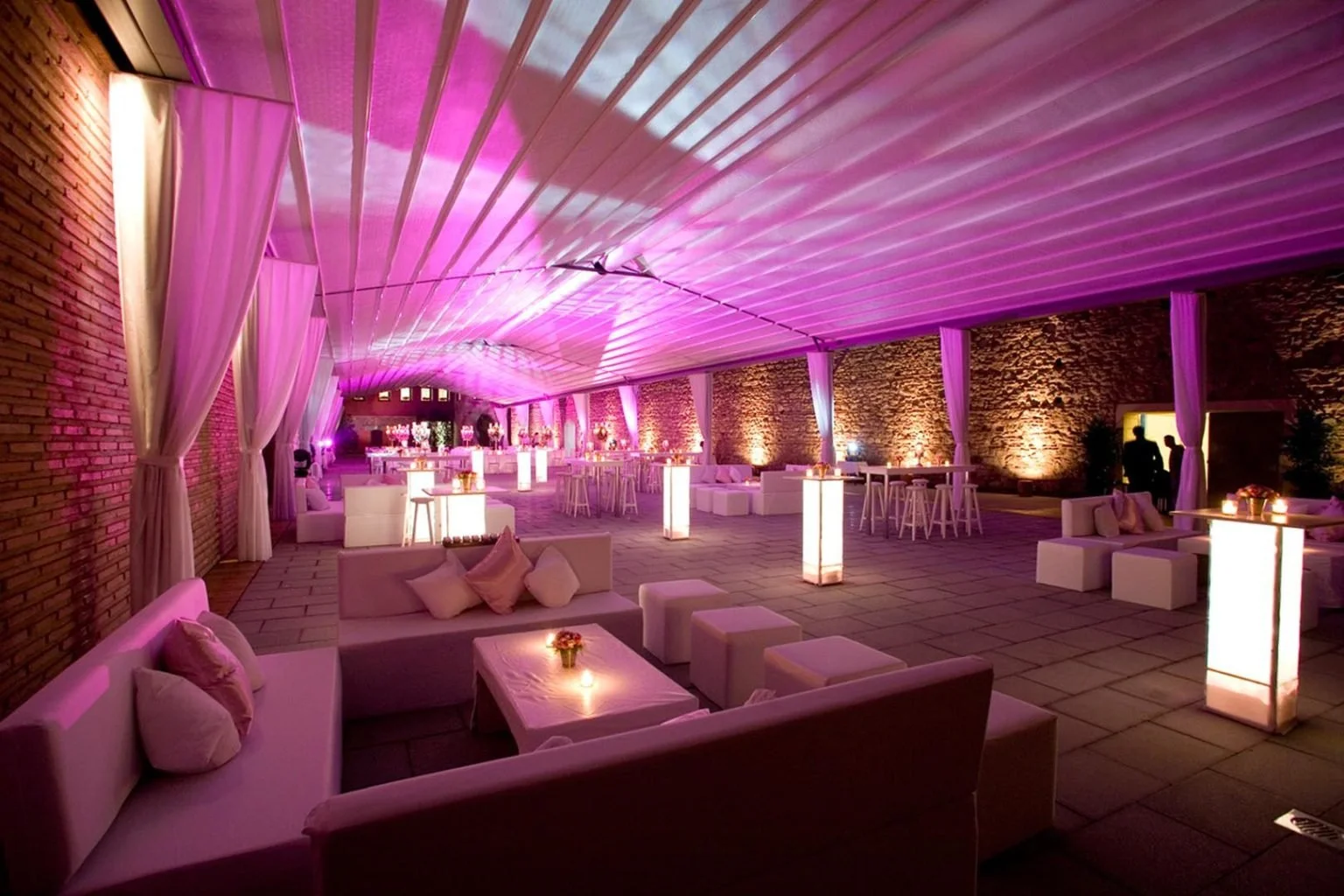
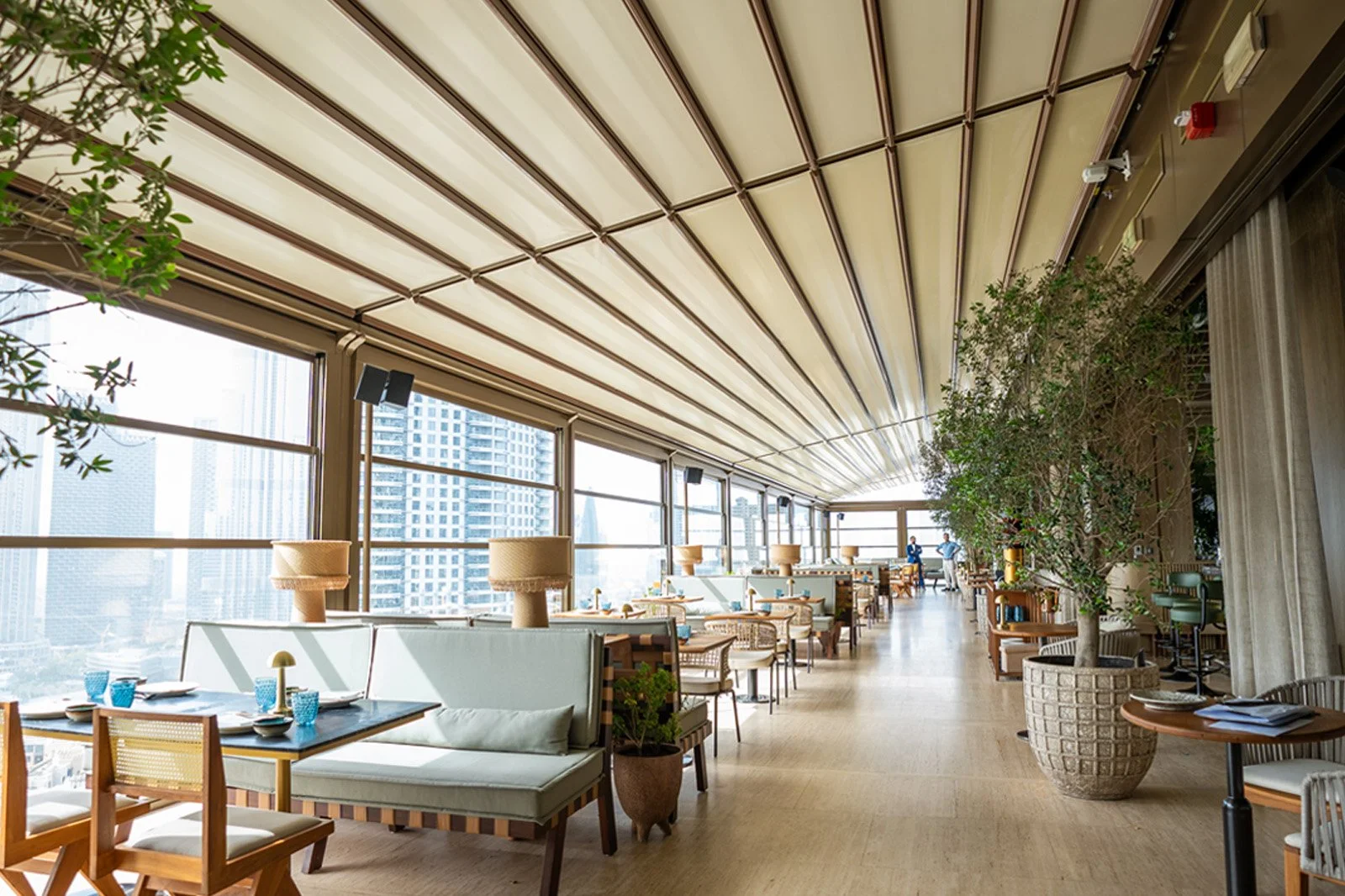
Hotels, resorts, restaurants, rooftops, pool environments, courtyards, terraces, and event spaces
Outdoor environments that support guest experience, service, events, changing dayparts, and dependable use.
Lifestyle
Clubs, sports environments, entertainment destinations, community gathering places, and membership-driven properties
Social environments designed to support recurring activity, connection, programming, and a strong sense of place.
Wellness
Fitness, recovery, recreation, spa, retreat, and health-oriented environments
Outdoor settings where comfort, privacy, environmental response, and connection to the surroundings shape the experience.
Residential, Mixed-Use & Commercial
Luxury residences, multifamily communities, mixed-use developments, workplaces, and commercial gathering environments
Outdoor spaces that extend how a property can support daily living, work, hospitality, and community.
Relevant Experience
Different Environments Ask Different Things of the Outdoors.
A hotel terrace, private club, wellness retreat, and residential courtyard may all bring people outdoors, but each serves a different purpose.
The people, operating patterns, environmental conditions, uses, and property objectives change from one environment to the next. Relevant experience means understanding those differences before determining the architectural response.
The property type provides context. The space’s responsibilities determine the direction.
BEGIN
Bring Us What You Have.
An outdoor project does not need to arrive fully defined. We can begin with an existing space, photographs, plans, an early concept, an active design, or a known need for adaptive architecture.
HAVE A PROJECT?
Start a Project
Bring us the property, plans, concept, existing condition, active design, or architectural challenge.
Start a ProjectSTILL DEFINING THE OPPORTUNITY?
Executive Assessment
When an important outdoor environment could contribute more but the right intervention is not yet clear, an Executive Assessment can help establish the opportunity before the solution is determined.
Explore Executive Assessment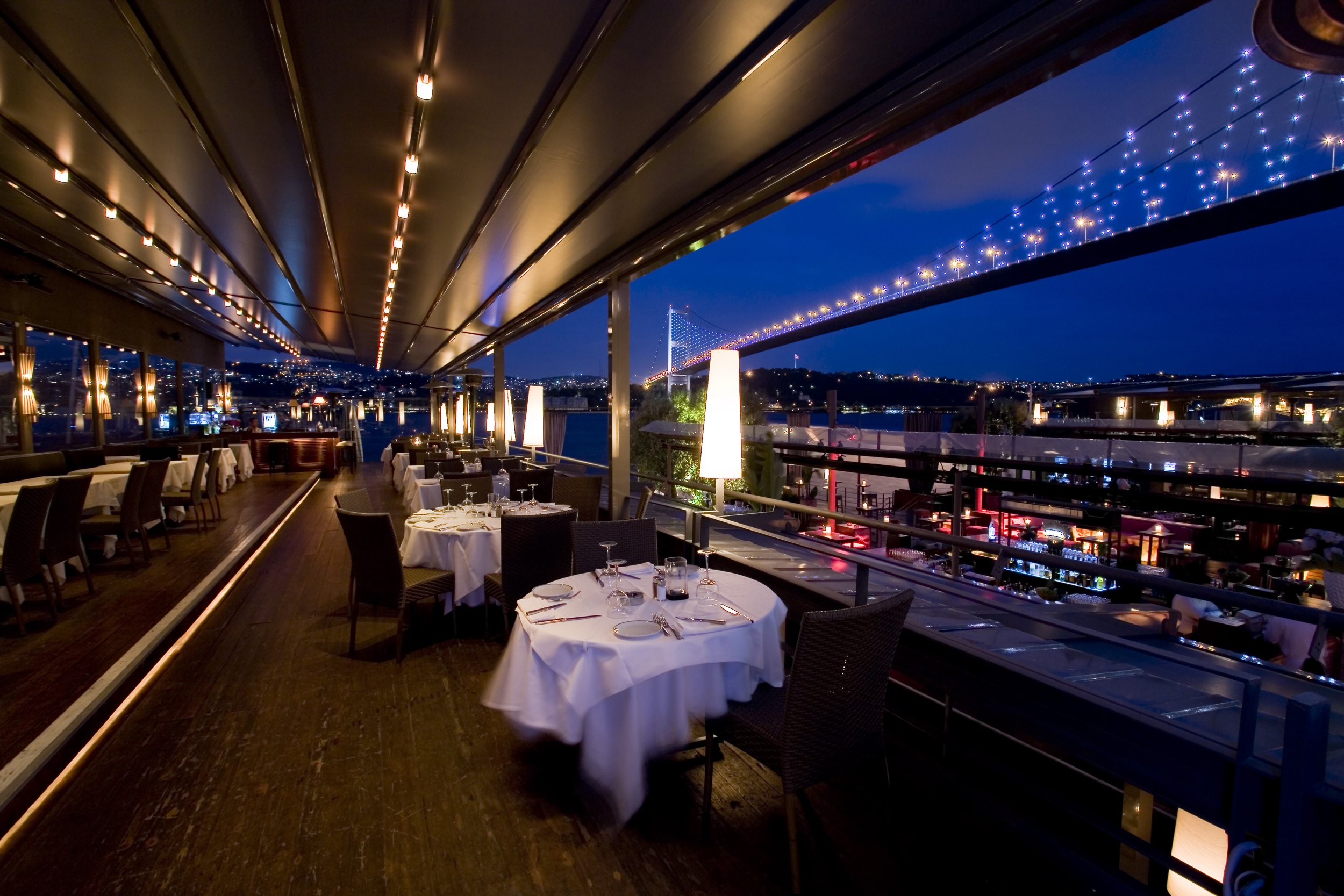
“After the first week of dining service in the new space, we can say it clearly exceeds our expectations.”