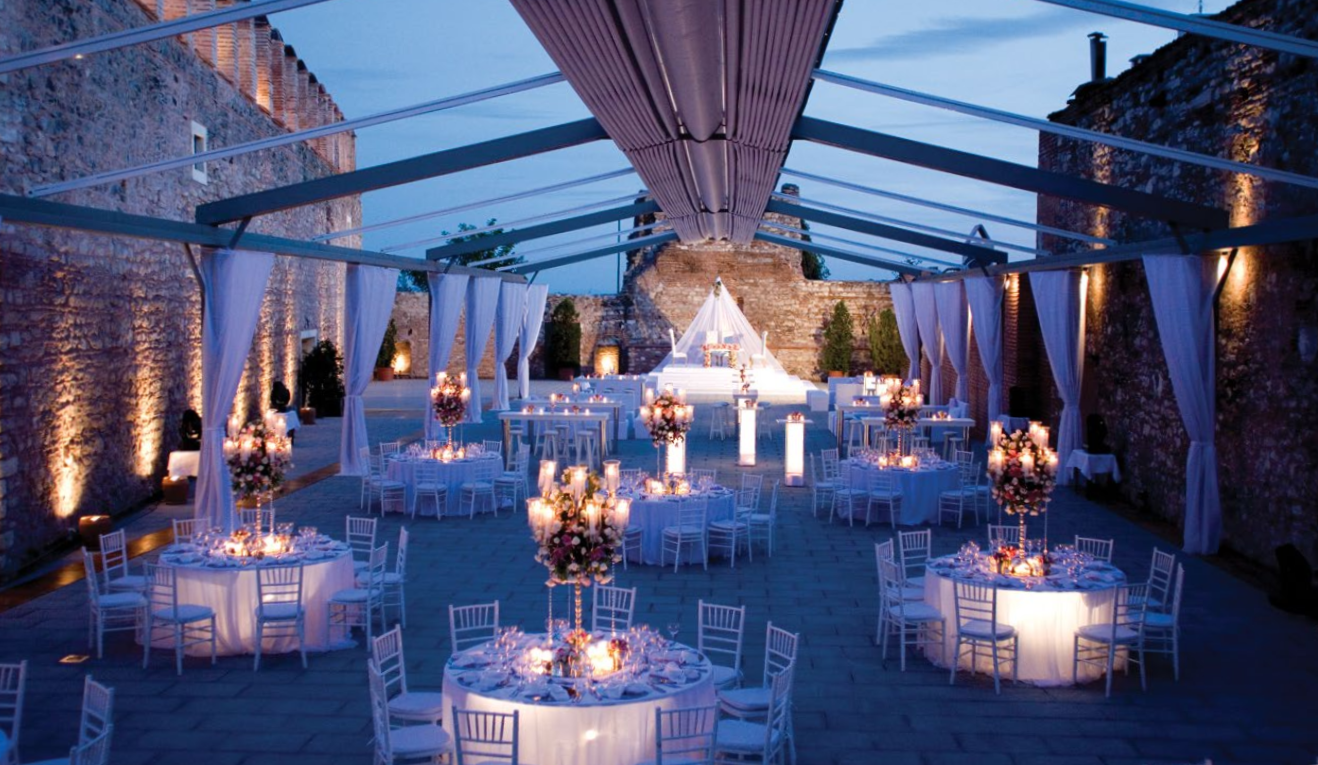
Outdoor Signature Spaces

Not Every Outdoor Space Is a Signature Space

Some outdoor spaces naturally become where guests gather, celebrate, reconnect, and remember. Those spaces deserve a different level of attention.

Every memorable property has at least one outdoor space that guests naturally gravitate toward. It may be a rooftop, courtyard, pool deck, terrace, arrival plaza, or outdoor dining destination, but over time it becomes part of the property’s identity.

These spaces influence far more than aesthetics. They shape first impressions, guest experience, social interaction, events, food and beverage activity, and the overall perception of a property. Because they carry greater expectations, they deserve a more intentional approach to planning, activation, and long-term performance.

Recognition Continues

Once You Recognize One, You Begin Seeing Them Everywhere.

Outdoor Signature Spaces are not defined by a particular style, size, or type of property. They appear wherever people naturally gather, connect, celebrate, and create lasting memories. Their architecture may differ, but the role they play is remarkably consistent.

Hotels & Resorts

The rooftop lounge guests request by name.

The arrival courtyard that creates a memorable first impression.

The pool terrace where afternoons become evenings.

Restaurants & Entertainment

Outdoor dining patios.

Rooftops and beer gardens.

Gathering plazas that become destinations rather than simply places to eat.

Golf & Private Clubs

Terraces overlooking the course.

Outdoor member lounges.

Event lawns where tournaments, celebrations, and community naturally come together.

Mixed-Use Developments

Central courtyards.

Gathering plazas and outdoor living rooms.

Pedestrian environments that give an entire destination its identity.

Residential Communities

Clubhouses.

Resort pools and social terraces.

Community gathering spaces that transform neighborhoods into places people genuinely enjoy living.

Universities & Institutions

Outdoor commons.

Alumni gathering spaces and courtyards.

Event venues where community, learning, and tradition come together.

Different Places. The Same Human Instinct.

Although these environments serve different purposes, people respond to them in remarkably similar ways. They naturally become places to gather, celebrate, reconnect, relax, and create shared experiences. Their value is not defined by the architecture alone, but by the role they play in the life of the property.

Once you begin recognizing Outdoor Signature Spaces, you start seeing them almost everywhere people come together.

Defining the Difference

What Makes a Space Truly Signature?

Not every rooftop becomes a destination. Not every courtyard creates lasting memories. Not every patio becomes part of a property’s identity.

Physical space alone is never enough. A Signature Space is defined by the role it earns through the experiences, relationships, and moments it supports over time.

A Signature Space is defined by the role it plays— not simply by the space itself.

People Naturally Choose It

Guests, residents, members, and visitors are drawn to certain places without being directed there. They stay longer, return more often, and begin treating the space as part of their experience of the property.

It Shapes First Impressions

Before a guest checks in, begins dinner, attends an event, or enters a building, the space may already be communicating the character, quality, and energy of the destination.

Meaningful Experiences Repeat There

A single memorable moment may happen anywhere. A Signature Space supports those moments repeatedly— celebrations, conversations, meals, gatherings, and traditions that gradually become part of the property’s story.

It Comes to Represent the Property

It appears in photography, marketing, guest memories, event plans, and recommendations. Over time, the property becomes increasingly associated with the experience that happens there.

It Supports More Than One Moment

The strongest spaces remain relevant across changing dayparts, seasons, audiences, and occasions. They may support quiet mornings, active afternoons, evening dining, private events, or spontaneous gatherings without losing their identity.

Its Importance Continues to Grow

As more experiences accumulate, the space becomes more deeply connected to operations, brand perception, community, and property life. Its value is reinforced over time rather than diminished by it.

Signature Spaces are not created simply because someone declares them important.

They become important because people repeatedly choose them, remember them, and give them a meaningful role in the life of the property.

The Influence of Place

Why Certain Spaces Become Signature.

Some spaces influence a property far beyond the amount of real estate they occupy.

A rooftop, courtyard, terrace, pool deck, or arrival plaza may represent only a small portion of the property. Yet it can shape how people feel, what they remember, and how they describe the entire destination.

Their significance is not measured by square footage. It is measured by influence.

They Shape Experience

These spaces often become the settings where a visit turns into an experience. People gather there, stay longer, reconnect, celebrate, and create the moments that give a property emotional meaning.

The space becomes important because of what people are able to experience there.

They Shape Identity

Certain outdoor environments become inseparable from the property itself. They appear in photography, frame first impressions, support the brand story, and become the places guests, residents, and members associate with the destination.

The property is remembered partly through the character of the space.

They Shape Memory

People rarely remember every room, corridor, or architectural detail. They remember where dinner became a celebration, where the view changed the evening, or where a conversation continued longer than expected.

The space becomes part of the story people carry away.

They Shape Property Life

As use grows, the space begins supporting more of the property's daily rhythm. It may influence dining, events, social activity, membership, leasing, community connection, or the way people move through and engage with the destination.

Its role expands because people continue finding reasons to use it.

More Than an Amenity

When a space consistently shapes experience, identity, memory, and the life of a property, it becomes more than an attractive outdoor area.

It becomes a strategic property asset—one whose influence deserves the same level of executive attention given to other defining parts of the destination.

How Signature Spaces Emerge

They Were Rarely Planned to Become This Important.

Most Outdoor Signature Spaces were never intentionally designed to become the emotional center of a property.

They often begin with a practical purpose—a courtyard, rooftop, terrace, arrival plaza, pool deck, or outdoor dining area. Over time, people assign those places a much greater role than originally intended. What begins as an amenity gradually becomes part of the property's identity.

Signature Spaces are rarely declared. They are earned.

01

Originally Planned

Every outdoor space begins with an intended purpose. It may provide arrival, circulation, dining, recreation, views, or a place to gather. At this stage, it is simply one component within the overall property.

02

Naturally Chosen

Guests, residents, members, and visitors begin returning to the same place. Without instruction or planning, it becomes the preferred setting for conversations, celebrations, photographs, meetings, or simply spending time together.

03

Increasingly Relied Upon

As its popularity grows, the property gradually begins depending on the space. Marketing features it. Events gravitate toward it. Operations adapt around it. Guests begin associating the destination with the experience found there.

04

Recognized as Signature

No announcement is ever made. No plaque is installed. The space simply becomes one of the defining experiences of the property because people have repeatedly chosen it, remembered it, and given it lasting significance.

A space may remain physically unchanged for years while the role it plays continues to grow.

What was once simply an outdoor amenity can gradually become one of the property's most recognizable, memorable, and relied upon places. That transformation is what turns an outdoor space into an Outdoor Signature Space.

Seeing Your Property Differently

Which Outdoor Signature Spaces Exist on Your Property?

Every property has a story. The question is where that story is experienced most vividly.

As you've read this page, you may already have begun thinking about your own property differently. Certain outdoor spaces likely came to mind—not because they are the largest or most expensive, but because they have quietly become the places people remember, recommend, and return to.

Consider Your Property

  • Which outdoor space creates the strongest first impression?
  • Where do guests naturally gather without being directed?
  • Which place is photographed most often?
  • Which outdoor environment best represents your property?

Consider Its Role

  • Which space would people miss most if it disappeared?
  • Which area carries greater responsibility than originally intended?
  • Which outdoor space has become central to the guest experience?
  • Which places have quietly become Signature Spaces?

Every Outdoor Signature Space is unique.

Some become memorable because they frame extraordinary views. Others create community, support celebrations, encourage conversation, or simply become the place people instinctively choose to spend their time.

What they share is not a common architectural style, but a common influence. They shape experiences, strengthen identity, and quietly become some of the most meaningful places on a property.

Recognition Is Only the Beginning.

Once Outdoor Signature Spaces are recognized, a new question naturally follows:

How well are our most important outdoor places supporting the experience, identity, and long-term vision of our property?

That conversation begins with understanding the spaces you already have—and seeing the opportunities they may already represent.